The ongoing 2026 Iran war has triggered one of the most severe energy disruptions in modern history, with consequences extending far beyond oil markets. As crude prices surge and key shipping routes like the Strait of Hormuz face repeated closures, diesel costs have risen sharply worldwide. This spike is now cascading through the global food system—particularly the meat supply chain—and is placing acute pressure on poultry production, processing, and pricing.
At the center of the crisis is a dramatic contraction in global oil supply. Disruptions to Middle Eastern exports have removed millions of barrels per day from the market, pushing oil above $100 per barrel and driving diesel prices sharply higher. In major freight economies, diesel has surged by as much as 50%, becoming one of the most significant cost pressures for transportation and logistics industries.
Diesel is the backbone of the global food supply chain. It powers trucks, ships, farm equipment, and refrigeration systems—meaning any sustained increase in fuel prices affects every stage of food production and distribution. According to agricultural economists, energy costs directly influence roughly a quarter of the total food dollar, impacting transportation, packaging, and processing simultaneously. Unlike other supply shocks, this one cannot be easily mitigated by substitution, because all food categories depend heavily on energy inputs.
For the meat industry, these pressures are particularly intense. Livestock and poultry systems are highly energy-dependent, requiring fuel for feed transport, climate-controlled housing, processing plants, and cold-chain logistics. Rising diesel costs increase the price of moving feed grains like corn and soy, which are essential inputs for poultry production. At the same time, disruptions to fertilizer supply—also tied to energy markets—are pushing up feed costs by reducing crop yields and increasing input prices.
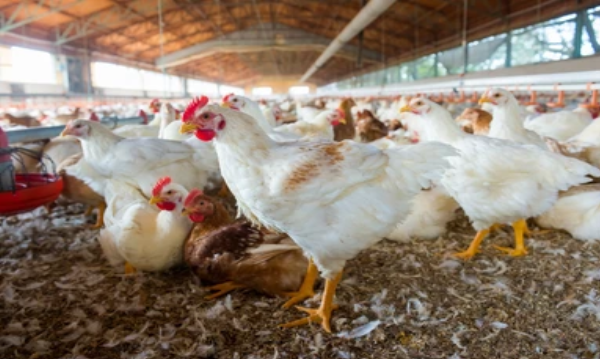
The poultry sector is uniquely exposed to these dynamics. Compared to beef or pork, poultry production operates on tighter margins and shorter production cycles, making it more sensitive to rapid cost increases. Energy inflation affects heating and ventilation systems in poultry barns, as well as processing operations that rely heavily on electricity and fuel. Industry analysis shows that rising fuel and liquefied petroleum gas costs are increasing production expenses at every stage, from hatchery to processing plant.
Globally, the result is a combination of rising prices and tightening supply. In some regions, producers are scaling back output or delaying expansion plans due to uncertainty and higher operating costs. In export-heavy markets such as Brazil, rerouting shipments around conflict zones has increased freight costs and extended delivery times, further straining supply chains.
The ripple effects are also being felt at the retail level. Higher transportation and processing costs are pushing up the price of chicken products, even in markets where poultry is traditionally considered an affordable protein. While consumers often switch from beef to chicken during periods of high red meat prices, the current energy-driven shock limits that flexibility. With all proteins affected by fuel costs, price increases are occurring across the board.
Beyond pricing, the risk of supply instability is growing. The blockade of key trade routes and disruptions to fertilizer and energy flows have raised concerns about broader food security, particularly in import-dependent regions. If the conflict persists, analysts warn that the combined effects of high diesel prices, constrained agricultural inputs, and logistical bottlenecks could lead to prolonged volatility in global meat markets.
In summary, the Iran war has created a textbook example of how geopolitical conflict can ripple through interconnected systems. What begins as an oil supply disruption quickly translates into higher diesel costs, which then cascade through transportation, agriculture, and food processing. For the poultry industry, the impact is especially acute—compressing margins, raising production costs, and contributing to higher prices for consumers worldwide. As long as energy markets remain unstable, the global poultry supply chain will continue to operate under significant strain.