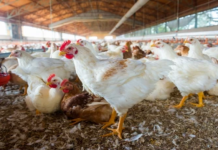
A proposal from senior U.S. government officials to let bird flu spread unchecked through poultry farms is facing strong backlash from scientists, who argue the approach could heighten the risk of a global health crisis.
Health and Human Services Secretary Robert F. Kennedy Jr. and Agriculture Secretary Brooke Rollins have floated the idea of allowing the highly pathogenic H5N1 virus to circulate freely among flocks in order to identify birds with natural resistance. However, researchers warn that this strategy would likely backfire, encouraging the virus to mutate and jump species — potentially even to humans.
The virus has already swept through more than 174 million birds in the U.S., infected a range of mammal species, and reached some farm workers. Though it does not currently transmit easily between humans, scientists stress that ongoing outbreaks provide the virus with more opportunities to adapt and become more dangerous.
Current U.S. policy involves culling infected flocks and compensating producers, but recent statements from Kennedy suggest a desire to rethink that system. He has even voiced support for Canadian ostrich farmers who refused to cull during past outbreaks.
Scientists instead advocate for strengthening surveillance, improving emergency response, and fostering collaboration between health and agriculture agencies. They warn that allowing the virus to run rampant would not only undermine public health, but also devastate the poultry industry, increase food prices, and jeopardize international trade.