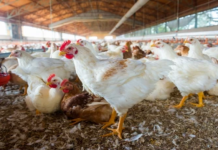
In a recent development, U.S. health officials, led by Health and Human Services Secretary Robert F. Kennedy Jr., have raised concerns over the use of bird flu vaccines in poultry. This marks a significant shift in the debate surrounding how to manage the ongoing avian influenza outbreak, which has been contributing to a sharp rise in egg prices.
Federal health agencies, including the National Institutes of Health (NIH), Centers for Disease Control and Prevention (CDC), and the Food and Drug Administration (FDA), have all recommended against deploying bird flu vaccines for poultry at this time. Kennedy’s remarks, made during an interview with Fox News, highlighted the lack of evidence suggesting that current vaccines would offer “sterilizing immunity.” Sterilizing immunity refers to a vaccine’s ability to completely stop an infection and prevent its spread—something that experts note is rare for most vaccines.
The U.S. Department of Agriculture (USDA) had previously signaled that it was intensifying efforts to explore poultry vaccination options as part of a broader strategy to combat the avian flu outbreak. This decision, influenced by the soaring costs of eggs and potential trade disruptions, was expected to include a draft vaccination plan for review by U.S. trading partners. However, as Kennedy pointed out, there are concerns that vaccinating poultry without sterilizing immunity could result in unintended consequences, such as creating conditions for the virus to mutate and potentially jump to humans.
Kennedy went further, warning that vaccinating birds in this way might inadvertently turn them into “mutant factories,” creating new strains of the virus. This, he argued, could accelerate the risk of the virus adapting to humans. His caution aligns with broader concerns about how the virus could evolve, potentially leading to more dangerous human infections.
Despite these concerns, some experts believe vaccination could be a useful tool in controlling outbreaks, especially if combined with stringent biosecurity measures. Dr. Daniel Perez, a poultry medicine expert at the University of Georgia, emphasized that vaccination could be effective when managed with strict protocols to prevent further virus exposure. He noted that vaccination, alongside measures like surveillance and culling of infected flocks, could help control the spread of the virus, particularly in egg-laying chickens and backyard poultry.
Yet, Perez also warned against another proposal discussed by the Trump administration: allowing the virus to naturally spread through poultry flocks and relying on the immunity of surviving birds. Perez criticized this idea, arguing that it could serve as a breeding ground for dangerous mutations, further complicating efforts to control the virus.
The debate over poultry vaccination also highlights a key divergence between the Biden administration’s health and agriculture officials. While agriculture experts had largely supported the idea of vaccination, health officials were more cautious, concerned about the logistical challenges and the potential risks to both human and animal health. Officials also worried about the possibility of asymptomatic poultry spreading the virus, which could hinder efforts to identify and contain outbreaks.
The decision to hold off on vaccination reflects a broader uncertainty about how to best balance the protection of the poultry industry with public health safety. This comes as the Centers for Disease Control and Prevention (CDC) recently issued a report indicating that while the general risk to the public remains low, certain groups—such as farm workers and veterinarians—are at higher risk of exposure.
As the avian flu continues to impact poultry production, with widespread outbreaks leading to the culling of infected flocks, the question of whether to vaccinate poultry remains unresolved. Experts agree that any vaccination strategy must be paired with strict monitoring and biosecurity measures to prevent further complications and safeguard both public health and the poultry industry.