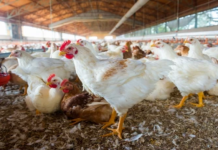
In response to the ongoing avian influenza outbreak impacting the U.S. poultry industry, the USDA has announced a $1 billion plan aimed at controlling the virus and stabilizing egg prices. The outbreak has led to significant flock losses, supply chain disruptions, and soaring egg prices.
Key Components of the USDA’s Plan:
-
Enhanced Biosecurity Measures: $500 million will be invested to help poultry producers strengthen biosecurity protocols, minimizing the risk of virus transmission from wild birds to domestic flocks.
-
Financial Support for Farmers: $400 million will be allocated to compensate farmers forced to cull infected flocks, ensuring faster recovery and restocking of egg-laying hens.
-
Vaccine Research and Development: $100 million will go toward developing and evaluating avian influenza vaccines to provide a long-term solution and reduce the need for mass culling in future outbreaks.
-
Regulatory Reforms: The USDA is working to streamline regulations and remove barriers that could slow down industry recovery efforts.
-
Increasing Egg Imports: To address supply shortages and reduce price spikes, the USDA is negotiating with international partners to temporarily increase egg imports.
Agricultural leaders have welcomed the plan, recognizing the need for a multi-pronged approach to mitigate the effects of the outbreak. However, officials warn that while these measures will help stabilize the market, relief in egg prices may take months to materialize.
With poultry producers, government agencies, and international partners working together, the focus remains on improving resilience, preventing further outbreaks, and ensuring the long-term stability of the poultry and egg sectors.