The spread of highly pathogenic avian influenza (HPAI) has accelerated across multiple continents this October, marking one of the earliest and most widespread starts to the bird flu season in years. The resurgence, driven largely by the H5N1 strain, is affecting poultry operations, wild bird populations, and even some mammals, raising new concerns for both animal and public health.
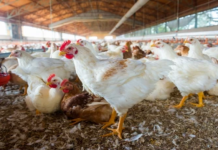
Across Europe, outbreaks have been reported earlier than usual and in more countries than seen in the past decade. From late summer through mid-October, eleven European nations — including Belgium, Slovakia, and the United Kingdom — have recorded dozens of HPAI cases in poultry flocks. In response, several countries have ordered poultry to be kept indoors to limit exposure to migratory wild birds suspected of carrying the virus. Belgium and Slovakia confirmed their first poultry outbreaks of the season this month and moved quickly to implement housing orders to contain the spread.
In the Americas, avian flu activity has intensified as well. According to the Pan American Health Organization (PAHO), 19 countries and territories across the region have now reported more than 5,000 outbreaks in birds since 2022, with new cases mounting through October. The United States continues to battle recurring infections in commercial operations, including a recent case at a major egg-laying facility in Washington state that affected around two million birds.
The virus’s reach is not limited to poultry. Wild birds continue to play a major role in transmission, with migratory species spreading the virus along seasonal flight paths. Scientists have also detected infections in wild mammals, including a black bear in the U.S., underscoring the expanding range of susceptible species. PAHO has recorded at least 76 human infections linked to H5N1 exposure in the Americas since 2022, including two fatalities, though there is still no evidence of sustained person-to-person transmission.
The economic impact is becoming increasingly apparent. Poultry producers face mounting losses from large-scale culling operations, trade restrictions, and rising costs tied to biosecurity. In the U.S., the turkey flock has reportedly fallen to its smallest size in decades, and wholesale prices are up roughly 40 percent from last year as the Thanksgiving season approaches. Similar pressures are being felt in Europe and parts of Asia, where production disruptions threaten to ripple through food supply chains.
Experts point to several factors fueling the uptick: the early migration of wild birds, environmental conditions that favor viral persistence, and gaps in biosecurity at some facilities. The virus’s continued adaptation — including its ability to infect mammals — adds to the challenge of containment. October’s surge represents the first time in at least ten years that so many countries have experienced outbreaks this early in the season.
While the public health risk remains low, health authorities stress the importance of vigilance. Most human cases have occurred after direct contact with infected birds, and there is no indication of widespread human-to-human spread. Officials are urging poultry operations to tighten biosecurity, keep flocks indoors, and separate them from wild bird populations. Enhanced surveillance, especially in wild birds and mammals, is being encouraged under a coordinated “One Health” approach that links human and animal health monitoring.
As October draws to a close, the global spike in avian influenza serves as a warning of the virus’s persistence and adaptability. With migratory birds still on the move and cooler weather setting in, authorities fear that this could mark the beginning of another difficult winter for the world’s poultry producers — and a critical period for preventing broader spread.